

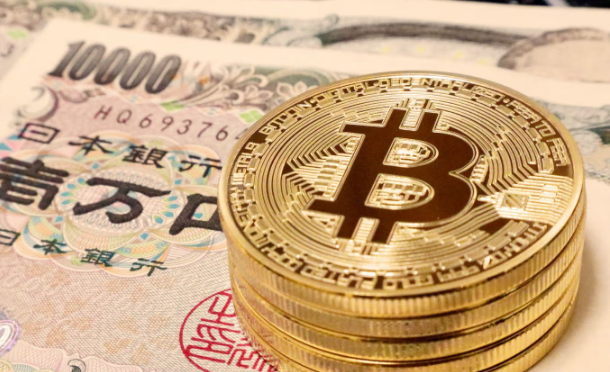
If you’ve spent any time researching crypto exchanges outside the usual suspects like Binance or Coinbase, you’ve probably come across Bitpoint exchange at some point. It doesn’t get nearly the same coverage in Western crypto media, mostly because it’s built around the Japanese market first and everywhere else second. But that regional focus is actually part of what makes it interesting, and it’s worth understanding what Bitpoint exchange actually offers before writing it off as just another regional platform.
- What Bitpoint Exchange Actually Is
- A Brief History, Including the Rough Patch
- Ownership and Where It Sits Today
- What You Can Actually Trade
- Fees and Accessibility
- Security Features Worth Knowing About
- How Bitpoint Exchange Compares to Bigger Global Platforms
- Should You Consider Using It?
- The Broader Japanese Exchange Landscape
- A Few Practical Considerations Before Signing Up
- The Bottom Line
Let’s go through what Bitpoint exchange is, how it got to where it is today, what it offers users, and where it fits compared to the bigger global names most people default to.
What Bitpoint Exchange Actually Is
Bitpoint exchange is a licensed cryptocurrency trading platform headquartered in Tokyo, Japan, originally launched back in March 2016. It operates under a formal registration with Japan’s Financial Services Agency, holding license number 00009 under the Kanto Finance Bureau, which puts it firmly in the category of regulated exchanges rather than the offshore, loosely supervised platforms that make up a big chunk of the crypto exchange landscape globally.
That regulatory status matters more than it might seem at first glance. Japan has some of the stricter crypto exchange requirements in the world, largely a response to a string of high-profile hacks in the country over the past decade. An exchange operating under FSA oversight has to meet ongoing compliance and security standards that a lot of unregulated platforms simply don’t have to bother with. The exchange has been operating under that regulatory umbrella for years, which gives it a layer of legitimacy that newer or offshore exchanges often can’t claim.
A Brief History, Including the Rough Patch
No honest look at this platform would be complete without mentioning its 2019 security breach, because it’s a meaningful part of the platform’s history and it shaped a lot of how the exchange operates today. In July 2019, the exchange detected an irregular withdrawal from its hot wallet and had to halt all services while it investigated. The breach ended up costing around $32 million in lost cryptocurrency, affecting roughly 50,000 users.
What happened next is arguably the more important part of the story. The company traced a portion of the missing funds to European platforms running software the company had originally provided, and rather than leaving affected users to absorb the loss, the company committed to refunding all impacted accounts on a one-to-one basis. Services gradually came back online over the following weeks, with margin trading resuming shortly after a security review of the platform’s wallet infrastructure. That response, full refunds rather than a slow unwind or bankruptcy filing, is part of why the exchange managed to retain user trust and continue operating in a market where a breach of that size could easily have ended the company.
Ownership and Where It Sits Today
The exchange operates as a subsidiary of Remixpoint, a company listed on the Tokyo Stock Exchange, which adds another layer of corporate oversight beyond just the FSA registration. More recently, the exchange has become associated with SBI Group, one of Japan’s larger financial services conglomerates with businesses spanning asset management, biotech, and traditional financial services alongside its crypto operations. That kind of backing from an established financial group is relatively uncommon among crypto exchanges and gives the platform institutional weight that a lot of independent platforms lack.
Beyond its home base in Japan, the exchange has expanded its footprint into several other markets, including Korea, Malaysia, Hong Kong, Taiwan, and Panama. That regional spread means the platform isn’t purely a Japan-only operation anymore, even if its core user base and regulatory identity remain rooted there.
What You Can Actually Trade
Bitpoint exchange supports a fairly standard, if not sprawling, list of cryptocurrencies. Bitcoin, Ethereum, Bitcoin Cash, Litecoin, and XRP make up the core of the platform’s offerings, along with support for JPY fiat trading pairs, which matters a lot for the exchange’s primary Japanese audience who want to trade directly against yen rather than routing everything through a stablecoin first.
The platform also offers leveraged trading, with margin capped at up to 1:5, which is fairly conservative compared to exchanges that let users take on leverage in the double or triple digits. That conservative cap fits the exchange’s broader regulatory posture — Japan’s FSA has historically taken a stricter stance on leverage limits than many other jurisdictions, partly to protect retail traders from the kind of catastrophic liquidation events that have wiped out accounts on less-regulated platforms.
Fees and Accessibility
One thing that stands out about Bitpoint exchange is how accessible the entry point is. The platform allows users to start trading with deposits as low as 500 yen, which is a strikingly low barrier to entry compared to a lot of exchanges that expect a more substantial minimum deposit before you can meaningfully participate. Spot trading and leverage trading fees have both been offered fee-free at various points, which is a notable draw for cost-conscious traders, though it’s worth checking current terms directly since fee structures on any exchange can shift over time.
The platform has also introduced features aimed at longer-term, lower-effort investors rather than just active traders. A recurring purchase feature, sometimes marketed as a zero-cost Bitcoin savings program, lets users dollar-cost average into bitcoin automatically without paying transaction fees on those scheduled purchases. There’s also a staking feature that the platform has promoted as offering some of the more competitive reward rates available among Japanese exchanges, letting users earn yield simply by holding eligible assets rather than actively trading them.

Security Features Worth Knowing About
Given its history, it’s not surprising that Bitpoint exchange puts a fair amount of emphasis on security messaging today. The platform supports two-factor authentication through multiple methods, including passkeys, Google Authenticator, and SMS verification, giving users some flexibility in how they lock down account access. There’s also an optional screen lock using either a passcode or biometric authentication for the mobile app, which matters given how much crypto trading now happens on phones rather than desktop platforms.
The app also includes some convenience features that aren’t strictly security-related but round out the overall experience — an asset trend chart that lets users check prices even before logging in, and a breakdown chart that visualizes current holdings at a glance. None of this replaces the kind of security posture large institutional custodians offer, but it does show a platform that’s clearly designed with lessons learned from its earlier breach baked into the current product.
How Bitpoint Exchange Compares to Bigger Global Platforms
If you’re used to global exchanges like Binance or Kraken, Bitpoint exchange is going to feel noticeably smaller in scope. It doesn’t offer the sprawling list of hundreds of altcoins that bigger platforms carry, and its trading volume doesn’t come close to the major global players. What it does offer instead is a tighter, more tightly regulated experience aimed primarily at a Japanese and broader Asian audience, with the kind of compliance backing that matters a lot to users who prioritize regulatory legitimacy over having access to every obscure token on the market.
For someone specifically looking to trade within Japan’s regulatory framework, using yen directly, and wanting the backing of an established financial group, Bitpoint exchange makes a reasonable amount of sense. For someone chasing a huge selection of altcoins or the highest possible leverage available, it’s probably not going to be the first choice, and that’s a fairly deliberate trade-off given the platform’s regulatory environment and target audience.
Should You Consider Using It?
Whether Bitpoint exchange is the right fit really depends on what you’re actually looking for in an exchange. If regulatory oversight, a track record of handling a serious security incident responsibly, and access to yen-based trading pairs matter to you, it checks those boxes in a way plenty of offshore platforms simply can’t. If you’re after the widest possible asset selection or the highest leverage ceilings, you’ll likely find more of that elsewhere.
Like any exchange, it’s worth doing your own research into current fee structures, supported regions, and any recent regulatory or security updates before committing funds, since terms and conditions across crypto platforms tend to shift more frequently than people expect.
The Broader Japanese Exchange Landscape
It helps to place Bitpoint exchange within the wider context of Japan’s crypto exchange market, since the regulatory environment there shapes almost every decision a platform operating under FSA oversight has to make. Japan requires exchanges to register formally, maintain strict cold-wallet storage requirements for user funds, and submit to regular audits, a framework that tightened considerably after earlier hacks at other Japanese exchanges rattled regulators and users alike. Bitpoint exchange operates within that same tightened framework, which is part of why its post-2019 recovery leaned so heavily on transparent communication and full refunds rather than the kind of quiet write-offs some offshore platforms get away with after a breach.
Compared to other domestic competitors, it sits somewhere in the middle tier — not the largest exchange by trading volume in Japan, but far from a fringe operation either. Its SBI Group affiliation puts it in reasonably strong company alongside other established financial brands moving into digital assets, which matters in a market where users tend to weight institutional backing fairly heavily when choosing where to hold funds.
A Few Practical Considerations Before Signing Up
Anyone actually considering Bitpoint exchange should keep a few practical points in mind rather than relying purely on marketing copy. Account verification, as with any regulated exchange, requires standard identity checks, and the process is generally built around Japanese residents first, even though the platform does extend services to several other countries in the region. Deposit and withdrawal times, along with any regional restrictions, are worth confirming directly on the platform before committing significant funds, since availability and processing speed can vary depending on where you’re accessing the service from.
It’s also worth treating the fee-free promotions with a reasonable amount of scrutiny. Zero-fee trading is a genuinely attractive feature, but exchanges sometimes make up for that through wider spreads between buy and sell prices, so comparing the effective cost of a trade rather than just the advertised commission is a smarter way to evaluate whether the platform is actually cheaper than the alternative in practice.
The Bottom Line
Bitpoint exchange has been operating in Japan’s regulated crypto space since 2016, and despite a costly security breach in 2019, it managed to recover by refunding affected users in full and rebuilding its security posture from the ground up. Backed today by ties to SBI Group and operating under formal FSA licensing, it occupies a specific niche: a compliant, yen-friendly exchange with conservative leverage limits, low entry barriers, and features aimed at both active traders and passive long-term investors. It won’t replace a global exchange for someone chasing altcoin variety, but for traders who value regulatory legitimacy and a demonstrated track record of accountability after a crisis, Bitpoint exchange remains a serious option worth considering.















Interesting to see how Bitpoint has evolved in Japan’s crypto landscape. The guide really highlights their commitment to security and user trust. recommended
The emphasis on user trust in Bitpoint’s operations is notable. It’s clear that prioritizing security measures plays a significant role in their strategy. This guide offers a comprehensive view of what to expect from Japan’s crypto platform moving forward. related tool
The insights on Bitpoint’s advancements in regulatory compliance are particularly enlightening. It’s impressive to see how they are adapting to Japan’s evolving crypto regulations while maintaining transparency. This level of dedication is crucial for fostering user confidence in their platform. good resource
The article does an excellent job of outlining Bitpoint’s user-friendly interface, which is a crucial factor for attracting new traders. The focus on education and support for beginners is impressive and demonstrates their commitment to fostering a knowledgeable user base in Japan’s competitive market. This approach can only benefit the overall growth of the crypto community. relevant link
The detailed analysis of Bitpoint’s security protocols is particularly impressive. Highlighting their measures to enhance user safety demonstrates their proactive approach in an often volatile market. This guide serves as a valuable resource for anyone navigating Japan’s crypto space in the near future. informative this resource
The discussion on Bitpoint’s user support services is particularly noteworthy. Their commitment to providing responsive assistance and resources speaks volumes about their focus on enhancing the user experience. This guide will undoubtedly be beneficial for users looking to navigate the platform more effectively in the coming years. see here
The overview of Bitpoint’s transaction security measures is particularly compelling. Their proactive stance on securing user data and funds is essential in today’s crypto environment. This guide effectively outlines how these practices not only safeguard users but also build trust in their platform as it grows in Japan’s competitive market. this resource
The overview of Bitpoint’s trading features is particularly striking. Their focus on providing a diverse range of cryptocurrencies showcases their adaptability in a rapidly changing market. This guide clearly outlines how these aspects can enhance user opportunities in Japan’s crypto ecosystem. interesting find
The breakdown of Bitpoint’s transaction fees is incredibly insightful. Understanding the fee structure allows users to make informed decisions about their trades, especially in a market where costs can add up quickly. This guide does an excellent job of clarifying those details, ensuring transparency for potential users. For tracking real-time fees, I often rely on a helpful free resource that aggregates this information effectively.
The section detailing Bitpoint’s innovative trading features is particularly captivating. It’s clear they are focused on enhancing user engagement through advanced tools and functionalities. This forward-thinking approach is essential for attracting new users in a competitive market. For anyone looking to deepen their understanding of crypto trading, I often refer to helpful free resources, including webinars on market trends.
The discussion on Bitpoint’s approach to liquidity management stands out in this guide. It’s clear that their strategies are tailored to meet the needs of both novice and experienced traders, ensuring smoother transactions and less volatility. By focusing on liquidity, they’re not just enhancing their platform’s reliability but also cultivating user confidence. I regularly consult market analysis tools for deeper insights into liquidity trends.