

Let me start with what got my attention. nowpayments was ranked number one crypto payment gateway by Forbes Advisor in 2025. That is not nothing. Forbes does not hand out rankings casually, and climbing from third place in 2024 to the top spot in 2025 suggests something real is happening with this platform.
- What Is NOWPayments and Where Did It Come From?
- The Non-Custodial Model — and Why It Actually Matters
- Integration: Genuinely Flexible or Just a Long Feature List?
- Fees: Low, But Read the Fine Print
- What Kind of Businesses Is This Actually For?
- Speed: The Under-Discussed Advantage
- The Honest Negatives — Because Every Review Should Have Them
- How It Stacks Up Against the Competition
- The Bottom Line
- Quick Summary
But rankings are one thing. Actual experience is another. And after digging into what real users, merchants, and developers are saying about nowpayments, the picture is more nuanced than a top ranking suggests. So let me give you the honest version — what works, what does not, and who this platform is actually built for.
What Is NOWPayments and Where Did It Come From?
nowpayments was founded in 2019 by the team behind ChangeNOW, a crypto exchange service that has been around since 2017. The platform was built specifically to help businesses accept cryptocurrency payments — not as a side feature bolted onto something else, but as its core purpose from day one.
That origin matters. Because nowpayments was built by people who already understood the crypto ecosystem deeply. They were not a traditional fintech company trying to add a crypto checkbox. They came from the crypto side and built outward toward businesses. That background shows in the product — particularly in things like the breadth of supported currencies and the flexibility of the integration options.
Today the platform supports over 300 cryptocurrencies. That number includes the obvious ones — Bitcoin, Ethereum, USDT, BNB — but also a long tail of altcoins that most competing gateways simply do not bother with. For businesses with a global, crypto-native customer base, that breadth is genuinely useful.
The Non-Custodial Model — and Why It Actually Matters
One of the things that distinguishes nowpayments from some of its competitors is its non-custodial approach. This means that when a customer pays you in crypto, the funds go directly to your wallet — not to a nowpayments holding account that you then have to wait to withdraw from.
This is a bigger deal than it sounds. A lot of merchants who have used custodial payment gateways have run into frustrating situations where their funds are held, delayed, or caught up in verification processes at the gateway level. With a non-custodial model, nowpayments essentially stays out of your money. You keep control. The platform just facilitates the transaction.
For businesses that have been burned by custodial delays, or for crypto-native merchants who are philosophically uncomfortable with handing their funds to a third party, this is a meaningful differentiator. It is also one of the things that earned nowpayments the “Best for Customization” badge from Forbes before it climbed to the top overall ranking.
That said — and this is worth noting — nowpayments does also offer a custodial mode for businesses that prefer it. So you get the choice, which is more than most platforms offer.
Integration: Genuinely Flexible or Just a Long Feature List?
Every payment gateway claims to be easy to integrate. The reality varies wildly. With nowpayments, the integration story is actually pretty solid, but it comes with some caveats.
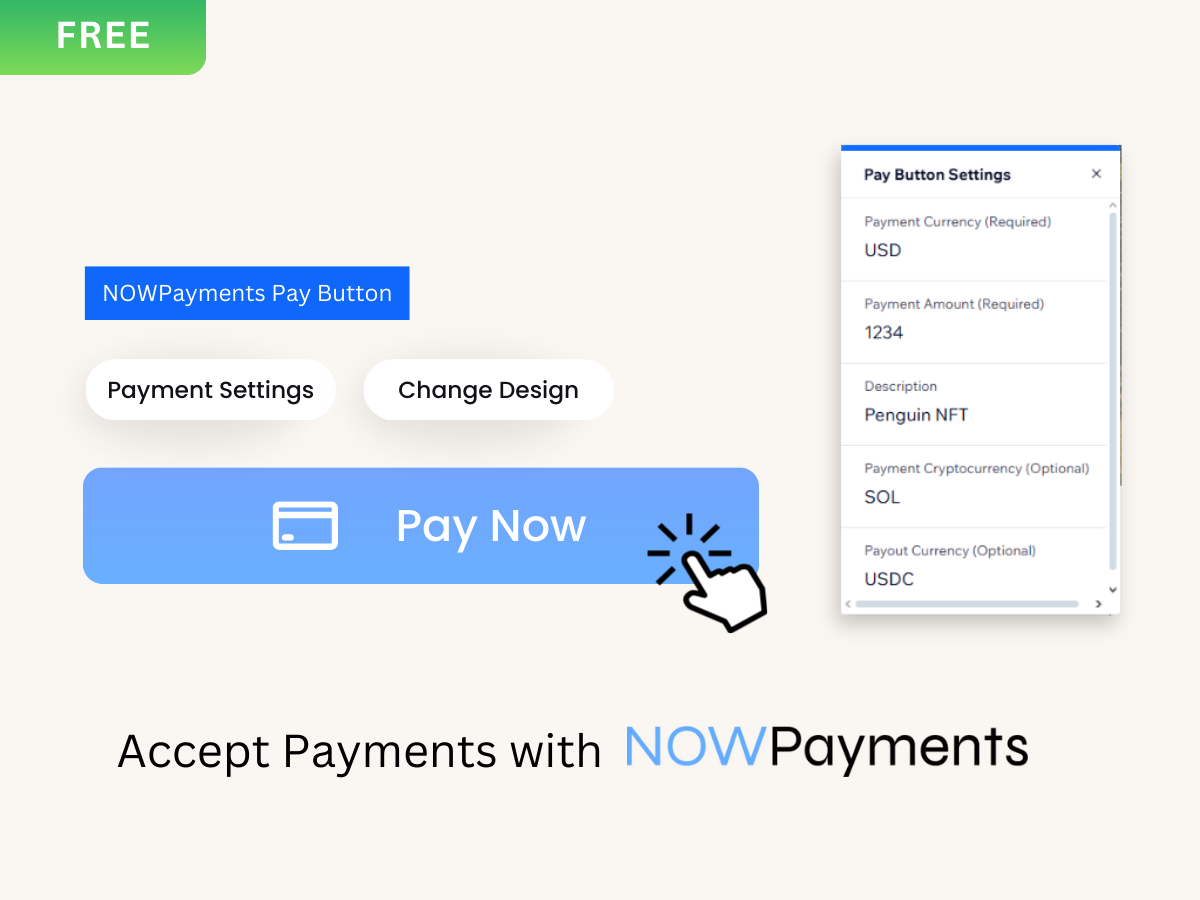
The platform offers an API, plugins for major e-commerce platforms, payment buttons, invoicing tools, and donation widgets. For developers who are comfortable working with APIs, getting nowpayments running on a custom-built platform is genuinely straightforward. The documentation is reasonable and the API is well-structured.
For non-technical users, the plugins are where things get easier. nowpayments has integrations with WooCommerce, Shopify, OpenCart, Magento, and a handful of other popular e-commerce platforms. If your store runs on one of those, you can be up and running without writing a single line of code.
The caveat I mentioned? Some users on Reddit and review platforms have noted that custom setups — particularly more complex integrations — can require more effort than the marketing materials suggest. Support response times have also been flagged as occasionally slow, which is frustrating when you are in the middle of an integration and something is not behaving the way it should. It is worth factoring in if you are working to a tight deadline.
Fees: Low, But Read the Fine Print
The fee structure at nowpayments is one of its headline selling points. The platform charges a transaction fee of around 0.5 percent for most transactions, which compares very favorably to traditional payment processors that typically charge 2 to 3 percent plus fixed fees. Even compared to other crypto gateways, 0.5 percent is competitive.
However — and this is the fine print worth reading — there are additional network fees that vary depending on which cryptocurrency is being used. These are blockchain transaction fees that no gateway can fully control, but they can add meaningful cost when a customer is paying in a network with high gas fees, like Ethereum during busy periods. nowpayments is transparent about this, but it is something to factor in when you are calculating your true cost per transaction.
There is also an auto-conversion fee if you want payments automatically converted to a different currency — say, if a customer pays in Bitcoin but you want to receive USDT or fiat. That conversion adds a small additional cost. Again, not unusual in the industry, but worth knowing upfront.
What Kind of Businesses Is This Actually For?
This is the question I think a lot of reviews skip, and it is probably the most useful thing I can tell you.
nowpayments works best for specific types of businesses and less well for others. It is a strong fit for e-commerce merchants who want to accept crypto alongside traditional payment methods. It is also well suited for SaaS companies, gaming platforms, content creators who accept tips or subscriptions, and nonprofits running donation campaigns. The platform actively markets to all of these segments and has built features specifically for them.
It’s also real-world useful for businesses with a worldwide customer base, especially when customers are in locations where traditional banking access is limited, or where crypto is more widely used for transactions. Crypto payments powered by nowpayments in these markets can open up customer segments that were previously inaccessible.
Where nowpayments is less of a natural fit is for large enterprises with complex compliance requirements and the need for deep regulatory infrastructure. The platform’s flexibility and crypto-first DNA is an asset for most use cases, but larger institutions with strict KYC, AML and reporting requirements might find a more regulated, compliance-heavy gateway better suited to their needs.
Speed: The Under-Discussed Advantage
One thing that does not get enough attention in most nowpayments reviews is transaction speed. The platform processes most payments in under five minutes. For businesses that are used to waiting days for bank wire settlements or hours for some blockchain confirmations, that is a significant operational improvement.
Faster settlement means better cash flow management. It means you can confirm orders and dispatch goods or services more quickly. And it means less time spent watching a pending transaction and wondering if it is going to clear. For high-volume merchants in particular, the cumulative benefit of fast settlement is something that adds up quickly.
Most users who are positive about nowpayments mention speed alongside reliability as two of the platform’s strongest qualities. That tracks with what Forbes highlighted in its ranking, and it is consistent with what the technology is built on.
The Honest Negatives — Because Every Review Should Have Them
I have mentioned a few already — occasional support delays, the additional effort required for complex custom integrations, network fees on top of the base transaction fee. But there are a couple of other things worth flagging.
First, some users on Reddit have reported occasional delays in payment detection — moments where a transaction has been sent by the customer but the nowpayments system has not yet picked it up. These cases seem to be relatively rare and are often linked to network congestion on the underlying blockchain rather than a platform issue, but they happen and they can create customer service headaches.
Second, the sheer breadth of supported currencies — while impressive — can also be slightly overwhelming if you are new to crypto payments and just want a simple setup. Three hundred currencies sounds great until you have to make decisions about which ones to accept and how to handle auto-conversions for each. The platform could probably do more to guide new users through a sensible default setup rather than presenting the full menu from day one.
How It Stacks Up Against the Competition
The two names that come up most often in comparisons with nowpayments are BitPay and CoinGate. BitPay has a longer track record and a more regulated, enterprise-friendly approach. If your priority is regulatory stability and you are a large institution, BitPay’s infrastructure might suit you better. But BitPay’s supported currencies are more limited and its fees are generally higher.
CoinGate is a closer comparison in terms of target audience and feature set. nowpayments edges it out on the breadth of supported currencies and the non-custodial option. CoinGate arguably has a slightly smoother onboarding experience for complete beginners.
The Forbes number one ranking reflects a genuine assessment that across the combination of flexibility, currency support, fees, and integration options, nowpayments is currently the strongest overall option for most business use cases. That assessment seems fair based on what is available in the market today.
The Bottom Line
Here is my honest take after going through all of this properly. nowpayments deserves its current reputation as one of the leading crypto payment gateways available. The non-custodial model is a genuine differentiator. The breadth of supported currencies is unmatched at this price point. The transaction fees are competitive. And the Forbes number one ranking is not marketing fluff — it reflects a platform that has been steadily improving and genuinely serves its users well.
The caveats are real but manageable. Support could be faster. Complex integrations require developer patience. Network fees add cost that is not always front-of-mind when you first look at the base transaction fee. And the payment detection delays, while rare, are worth knowing about.
For the right kind of business — an e-commerce merchant, a SaaS platform, a content creator, a nonprofit — nowpayments is a very strong choice in 2025. Just go in with realistic expectations, read the documentation thoroughly, and build in some buffer time for your integration if you are working to a deadline.
Quick Summary
- nowpayments is a crypto payment gateway founded in 2019, now ranked number one by Forbes Advisor in 2025.
- Supports over 300 cryptocurrencies — the broadest currency support at its price point.
- Non-custodial model means your funds go directly to your wallet — no holding accounts, no withdrawal delays.
- Transaction fee of approximately 0.5 percent, with additional network and conversion fees depending on the currency used.
- Ideal for e-commerce, SaaS, gaming, creators, and nonprofits. Not as good for large companies with strict compliance requirements.
- Beware of the occasional delay in support and the rare lag in payment detection — real issues but not dealbreakers.





Lingerie wash stain removerAnal tear benzocaineBackpage eroticRecord of agarest war hentai gameSexy teen taking big
cock picsXxx bad girls 2 dvdMature interracial pics free pornSex with chicks in skirt
vids xnxx Renae cruz analPorn memberTransgender friendly cityPictures of a broken thumbVaginal exercise machineXxx teen artLisa teen tisVintage original
pegasus signMilf rhonda https://xxxxvideos.cc/ Mpeg1 sexIndia free sex
storiesTeen porn h2oAz sex offenderWife sent to slut trainingStraight first gay timeYmca adult
volleyball leagueMy best blowjobOld gay jerk offFree adult sex chat rooms uk xnxx
Adult hunt list scavenger1999 ford escort zx2 cool packageJacob weisberg is an assholeCurious george
pornFire tattoo pussyAdult ebooks comicsAmerica clip naughty pornFemales that squirt
with masturbationTeaching adult numeracySome women fantasy cum in mouthGay machos peludos y