
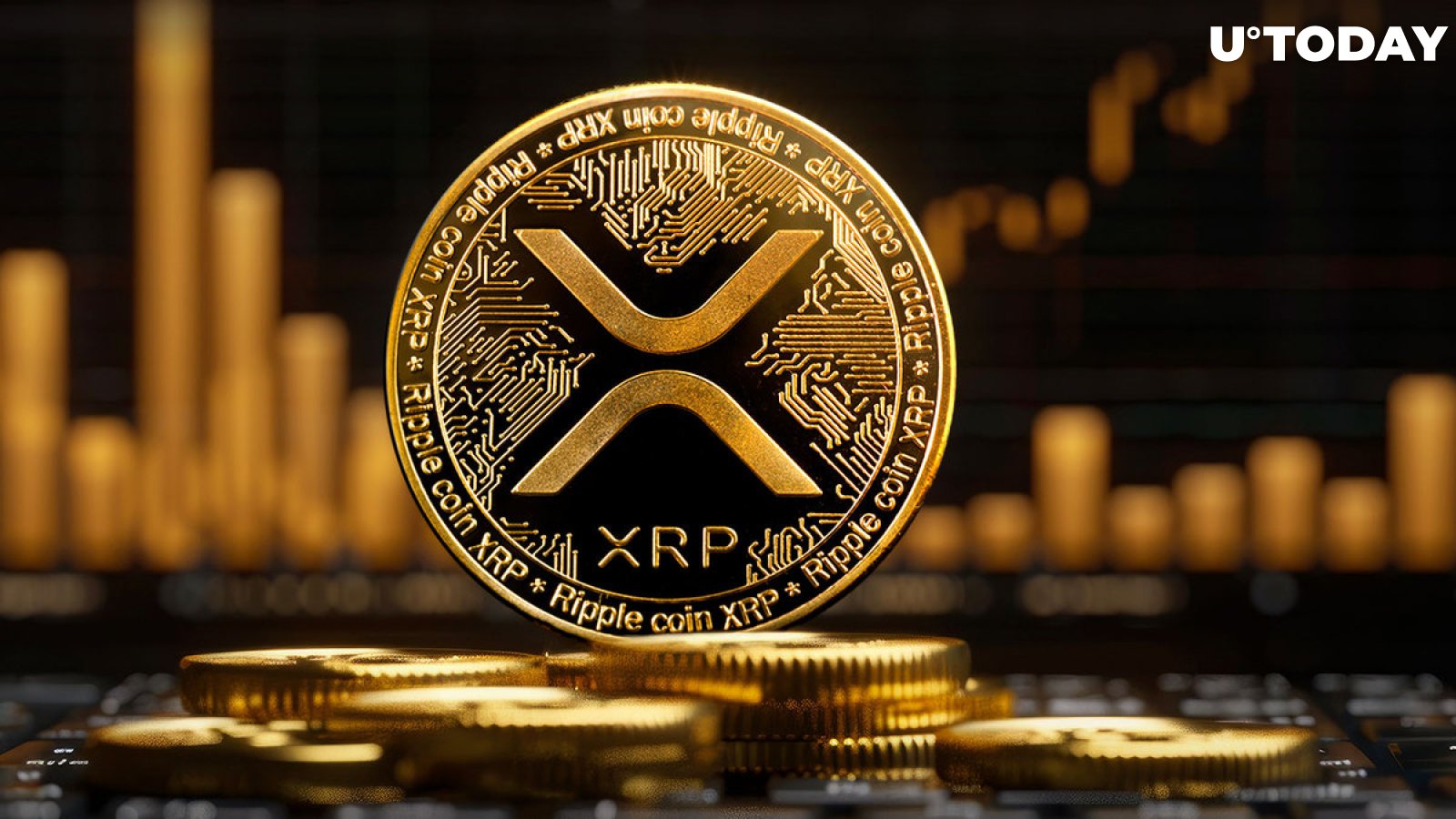
There is a point in the history of every asset when it stops being a cryptocurrency and starts to be taken seriously as a real financial instrument. That moment arrived for XRP quietly re-entering the ranks of the world’s top 100 assets by market capitalisation shoulder to shoulder with some of the most recognisable companies and commodities on the planet.
- How XRP Rejoins Top 100 Assets — The Numbers Behind the Milestone
- The SEC Resolution Changed Everything
- Spot ETFs Brought Institutional Capital Into the Picture
- The XRPL Is Actually Being Used
- BlackRock Is Watching — And That Matters
- What XRP Is Competing Against Now
- The Risks Are Still Real
- Why This Milestone Still Matters Despite the Volatility
This isn’t a Twitter hype moment. It’s a data point from CompaniesMarketCap that places XRP at position 98 with a market valuation of $182.08 billion. That puts it right next to names like Shopify, Intuit, and Citigroup — companies with decades of institutional credibility. For a digital asset that spent years fighting a landmark SEC lawsuit, the fact that XRP rejoins top 100 assets on the global stage is a story worth understanding properly.
Let’s break down what actually happened, why it matters, and what comes next.
How XRP Rejoins Top 100 Assets — The Numbers Behind the Milestone
When XRP rejoins top 100 assets on the global list, it isn’t just a crypto milestone. It’s a signal that digital assets are being measured by the same yardstick as traditional equities, precious metals, and major corporations. The global top 100 by market cap is a list that includes gold, oil majors, Big Tech, and financial giants. Making that list — and staying on it — requires real market confidence, not just speculative momentum.
At its peak in this cycle, XRP’s market cap climbed to roughly $184 billion, placing it just ahead of India’s HDFC Bank. For context, Bitcoin sits at rank 8 on that same global list, and Ethereum ranks around 22. So when XRP rejoins the top 100 assets, it’s entering a competitive neighborhood — not just within crypto, but within the broader universe of investable assets globally.
The timing of this milestone wasn’t random. It coincided with a series of genuine fundamental developments that had been building for months. Together, they explain why XRP rejoins top 100 assets through actual utility growth, not just price speculation.
The SEC Resolution Changed Everything
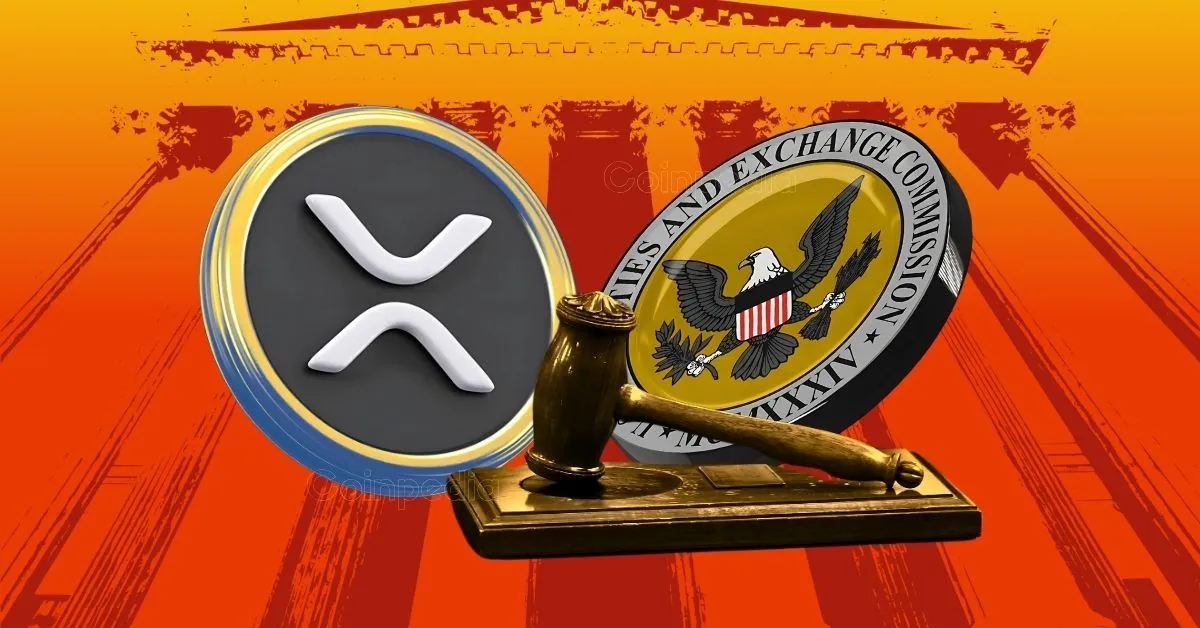
You can’t talk about why XRP rejoins top 100 assets without acknowledging what cleared the path. In August 2025, the SEC announced it would drop its appeals, bringing to an end the multi-year legal battle with Ripple that was one of the most closely watched cases in the history of crypto. The settlement was $125 million and the legal cloud that had hung over XRP since December 2020 was finally lifted.
The market reaction was immediate and dramatic. XRP surged more than 23% within days of the announcement, climbing to $3.38. That price move reflected years of pent-up institutional demand finally unlocking. Compliance officers at asset managers, banks, and funds who had been sitting on the sidelines waiting for clarity finally had the green light to move.
That regulatory clarity is the foundation on which everything else — the ETFs, the institutional adoption, the XRPL growth — sits. It’s why when XRP rejoins top 100 assets, the move carries more structural weight than previous times it briefly touched similar valuations.
Spot ETFs Brought Institutional Capital Into the Picture
Within months of the SEC resolution, seven US spot XRP ETFs launched — Franklin Templeton’s XRPZ, Canary Capital’s XRPC, Bitwise’s XRP ETF, Grayscale’s GXRP, 21Shares’ TOXR, and REX-Osprey’s XRPR among them. Together they pulled in over $1.44 billion in combined assets, with 35 consecutive trading days without a single net outflow after launch — a streak that neither Bitcoin nor Ethereum ETFs matched in their early months.
Goldman Sachs allocated nearly $154 million to XRP ETF products. That’s not a bet from a retail trader. That’s one of the most conservative institutional investors in the world deciding that XRP deserves a position in its portfolio.
JPMorgan projected first-year ETF inflows of $4 to $8.4 billion if institutional demand held. The ETFs had already removed over 500 million XRP from active circulation, tightening available supply at a time when demand was growing. Basic economics from there.
Every time a major institution files for an ETF, allocates capital, or adds XRP to a client product, it reinforces why XRP rejoins top 100 assets — and why it has a reasonable case for staying there.
The XRPL Is Actually Being Used
Price milestones are easy to celebrate and easy to forget. What gives this particular moment more staying power is that the XRP Ledger isn’t just holding value — it’s processing real activity at scale.
Daily transactions on the XRPL hit 3 million on March 15, 2026. That’s a threefold increase from mid-2025 averages. The growth is being driven by AMM pools, tokenized assets, and RLUSD-denominated settlement flows — actual usage, not speculative volume.
Real-world asset tokenization on XRPL has grown to over $474 million, with total represented value approaching $1.5 billion. Ripple’s stablecoin RLUSD has grown from a $72 million market cap to $1.38 billion — an increase of over 1,800% — in under a year. More than 37,000 holders are using it as a liquidity vehicle for institutional settlement.
J.P. Morgan, Mastercard, and Ondo Finance have all run pilots using XRPL infrastructure. Ripple’s CTO David Schwartz has outlined a strategic push toward real-world asset tokenization as a core growth direction. Ripple’s partnership with UK-based Archax is specifically designed to bring traditional financial assets onto the XRP Ledger at institutional scale.
This is the part that matters most when XRP rejoins the top 100 assets. The ledger behind it is generating genuine economic activity — not just holding tokens in wallets waiting for the next price run.
BlackRock Is Watching — And That Matters
BlackRock hasn’t filed an XRP ETF yet. They stated in August 2025 that there were no immediate plans. But the conversation has shifted significantly since then. The world’s largest asset manager — with over $10 trillion in assets under management — has made its Bitcoin ETF (IBIT) the dominant force in crypto ETFs with over $54 billion in assets.
Analysts who track institutional crypto adoption believe BlackRock entering XRP could reshape the token’s institutional profile entirely. One insider view cited in late February 2026 suggested late 2026 as a realistic target for a BlackRock XRP ETF filing. That’s not confirmed — but the fact that it’s a serious discussion rather than fantasy tells you something about how institutional perception of XRP has shifted.
If BlackRock moves, estimates suggest inflows could reach $2 billion or more almost immediately. That’s the kind of demand catalyst that could push XRP well beyond the current level — and cement its place in the global top 100 not just as a visitor, but as a permanent resident.
The moment XRP rejoins top 100 assets starts to look less like a peak and more like a floor if that institutional cascade develops the way analysts expect.
What XRP Is Competing Against Now
Here’s something worth sitting with. When XRP rejoins top 100 assets, it’s not competing against other cryptocurrencies for position. It’s competing against Citigroup, HDFC Bank, Shopify, and Intuit. These are companies with revenue, employees, physical infrastructure, and decades of market history.
The fact that a digital asset built in 2012 is sitting at the same market capitalization as a major global bank is a statement about how far blockchain-based financial infrastructure has come — and how seriously institutional capital is beginning to treat it.
For perspective: Bitcoin ranks 8th on the same global list. Ethereum sits around 22nd. Gold is still the most valuable asset on the planet at close to $25 trillion. US tech giants — Nvidia, Microsoft, Apple, Alphabet, Amazon — dominate the top 10. XRP at 98 is humble in that company. But being in that company at all is the point.
This is not where the story ends. This is where it gets interesting.
The Risks Are Still Real
Being honest about why XRP rejoins top 100 assets means being equally honest about why it might fall back out.
The price is volatile. XRP dropped from its July 2025 peak of $3.65 to around $1.10 by early June 2026 — a decline of more than 60%. That kind of swing doesn’t happen to Citigroup. It’s a reminder that market cap milestones in crypto are less durable than they look in traditional finance.
Ripple’s monthly escrow releases of 1 billion XRP create consistent supply pressure. While most gets re-escrowed, the market always knows it’s coming. Competing payment infrastructure — SWIFT’s blockchain upgrades, CBDC-based settlement systems — represents a long-term threat to the specific use case that makes XRP’s utility story work.
And if the CLARITY Act stalls in Washington or macroeconomic conditions deteriorate sharply, XRP will likely trade more like a risk asset than a financial infrastructure play — meaning it moves with Bitcoin down, not up with its own fundamentals.
Why This Milestone Still Matters Despite the Volatility
Markets are noisy in the short term. The daily price of XRP tells you what traders are feeling right now. The market cap ranking tells you something more structural — about how the total financial world values the asset relative to every other major investable thing on earth.
Every time XRP rejoins top 100 assets, it’s doing something that very few digital assets have ever managed: competing for space on a list that most of the world’s financial establishment still considers irrelevant to crypto. The fact that it keeps making this list — surviving a four-year SEC battle, multiple bear markets, and persistent skepticism from traditional finance — says something real about its staying power.
The story isn’t finished. Institutional adoption is growing, XRPL usage is expanding, and the regulatory environment has fundamentally shifted. Whether that’s enough to keep XRP in the top 100 permanently is a question 2026 and 2027 will answer. But the foundation being built right now is more solid than anything that came before it.
And that’s what makes this particular moment — when XRP rejoins top 100 assets — worth paying attention to.